
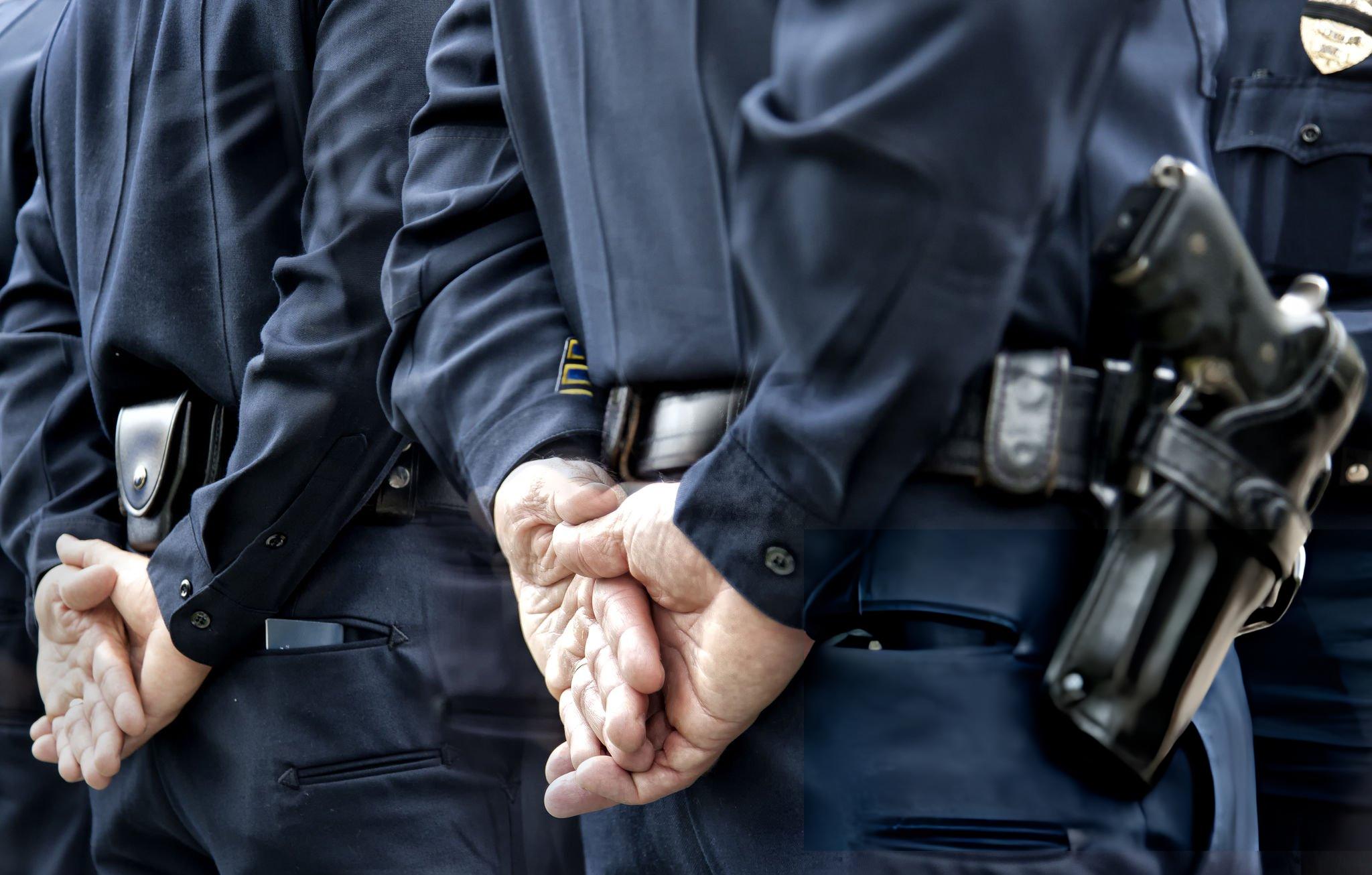
Seven police shootings. Zero charges. That was the news from the San Diego District Attorney heading into the Fourth of July weekend. It’s not the kind of update that brings comfort. For many in our city, it raises old questions about how police actions are judged and whether real accountability is even possible when someone gets hurt or worse. The timing of this announcement, slipping out while many people were focused on the holiday, didn’t go unnoticed either.
When prosecutors decide not to charge officers in shooting cases, it puts a spotlight on bigger issues. Who’s making sure law enforcement plays by the rules? Who steps in when things go wrong? These questions have no easy answers. But moments like this demand attention, especially in San Diego. Let’s look at what happened, why it matters, and how both civil and criminal systems fit into the bigger picture.
Police Shootings and Lack of Charges: What Happened
The San Diego District Attorney recently announced that officers involved in seven different shootings will not face any charges. These incidents, spread across the county, all ended with no criminal accountability for law enforcement. For many in the community, that’s tough to accept.
The news came right before the July 4th weekend. In public relations, this kind of timing is usually picked when officials fear backlash and want to avoid the spotlight. Dropping big announcements while people are distracted can seem like an attempt to limit attention.
Local residents have seen this pattern before. Police departments often handle their own investigations. Prosecutors work side by side with officers every day. Time and again, families see decisions handed down with no one being held legally responsible, even in the most serious cases. Fairness comes into question, especially when deadly force is involved. Trust erodes with each repeated outcome, adding to the belief that sometimes, no one is left to make things right.
Why Prosecutors Rarely Charge Police Officers
Prosecutors are supposed to treat everyone the same. In reality, this can change when the person under review wears a badge. District Attorneys rely on the police to build their cases, testify in court, and provide support. That connection makes it hard to turn around and treat officers as ordinary defendants.
This is more than just an idea. The system works in ways that protect those relationships. Prosecutors may worry about hurting ties with law enforcement unions, whose support can be important during elections. Charging officers can weaken those relationships fast.
Even when force seems wrong, convictions in criminal court are rare. The law is written to give police the benefit of the doubt, especially when they claim to be acting in the heat of the moment. The rules are stacked in favor of the police, setting a high bar for anything to stick in criminal court. Unless a case is truly beyond dispute, charges are hard to bring and even harder to win.
The Role of Civil Rights Lawyers in Police Use-of-Force Cases
Criminal court isn’t the only avenue for accountability. When families are left with questions after the criminal system closes the book, civil court offers another way forward. Civil lawsuits don’t put anyone in jail, but they do shine a light on the harm caused and seek financial accountability.
The standard of proof is easier in civil cases. It just has to be more likely than not—the scales can tip one way by even a little. Civil rights lawyers focus on exposing patterns, asking tougher questions, and holding agencies or officers responsible through the courts. These cases often highlight troubled policing practices that slip through the cracks in criminal court.
Jurors play a different role here. They come from the same neighborhoods and communities affected by these cases. Their decisions can reflect what those communities feel is just or fair, not just what fits a strict legal rule. While civil cases do not guarantee change, they can offer families a voice when all other doors seem closed.
Attorneys at McKenzie Scott handle both state and federal civil rights cases, giving clients more ways to pursue justice within San Diego and beyond.
Public Impact and Trust in the Legal System
When officers aren’t charged after serious incidents—or when this outcome repeats—people start to lose faith. It feels as if the law is applied differently depending on who is involved. For some, this brings disappointment. For others, it leads to anger and frustration.
Families want answers. Communities want real safety—so when prosecutors drop cases, a sense of disappointment and distrust can take over. The damage is not just legal or political, but emotional too. Conversations about the justice system grow tense and some feel like the law isn’t written for people like them at all.
That’s why people keep calling for more openness about how decisions are made. Independent review boards, public records, and real transparency have become expectations. But these steps only matter if they lead to changes people can see and feel. Otherwise, public trust gets harder to win back.
What This Means for San Diego Going Forward
San Diego is not the only city dealing with outcomes like these. However, here in San Diego, every case adds to a local history that shapes the future. When charges are never brought, or cases are quietly swept aside, people pay attention. Everyone wants to know what will happen next time—because for many, the worry is there will be a next time.
Knowing your rights matters. In encounters with law enforcement, fear and uncertainty can take over, especially when stories like these are fresh in the news. Learning about your rights when it comes to searches, stops, and recordings can make an encounter safer and more predictable. No one should have to face these moments alone.
The justice system is meant to balance criminal and civil responses, but sometimes that balance disappears. When criminal prosecutors do not pursue cases, civil rights attorneys and community members often pick up the cause. This is not a perfect fix, but it may be the clearest path left when the criminal courts close their doors.
Justice Takes Many Forms: Staying Informed Matters
The District Attorney’s choice to avoid charges in seven police shootings will stick with San Diego for a long time. It fits into a pattern that many people recognize, and it fuels ongoing debates about justice, fairness, and accountability all over the country. These decisions remind everyone how different justice can look, depending on where and how a case is heard.
Criminal court rarely leads to officer convictions. Civil court offers another route, where the focus is on fairness, harm, and accountability. When criminal charges fall away, civil action is still one way families and communities can keep pushing for answers. That makes it even more important to know your rights, speak up, and stay involved. Ordinary voices can have an impact—both inside the courtroom and in the stories San Diego tells about what is fair and what needs to change.
At McKenzie Scott, we know how frustrating it can be when no charges are filed, especially in cases that impact public trust and safety. When the criminal courts don’t offer closure, civil rights lawsuits can give families a new path forward. These cases don’t just affect individuals—they shape how entire communities feel about justice. To understand your rights and what steps might come next, a San Diego civil rights lawyer from our team is here to help. Let’s talk.